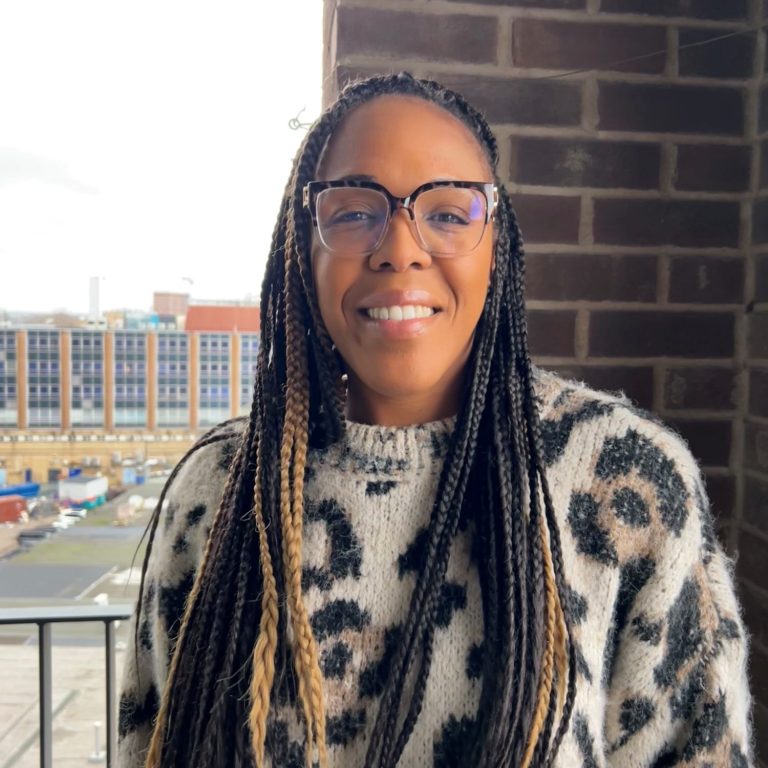
Olivia Saunders
My first thoughts about leaving my role in schools began in January 2023. I eventually stepped away in August 2025. At the time, that felt like a long transition. Looking back now, after speaking to many other educators, I understand how common this is. For many, the internal conflict goes on for years. It becomes a cycle of loving the purpose and connection, while also feeling the pressure, emotional strain, and exhaustion. The push and pull shifts with school culture, leadership, workload, and personal life.
During that period, one question I asked myself repeatedly:
When is the right time to go?
I tried to rationalise staying. I would tell myself; I will wait until this year group gets through their exams. I will leave once I have completed this new system. I will go once I have supported this family through their situation. As teachers, we care deeply about the children, families, and communities we serve. It is one of the most meaningful parts of the job. But that same level of care often means that our own needs slip away quietly in the background. Looking back, I wish I had asked a different question earlier:
Does this role still serve me?
Am I getting what I need here?
These questions feel more honest. They ask us to value ourselves as people, not just as professionals who keep going regardless of cost. And that can feel uncomfortable in a profession where sacrifice is often normalised.
Another question that weighed heavily was:
What will I do instead of teaching and leading in schools?
When you have dedicated so many years to one sector, imagining a different path can feel overwhelming. Teachers are reflective and adaptive by nature, yet it can still feel difficult to translate those skills outside of education. The last time I applied for a job outside teaching was in 2014. When I re-entered the job market, I saw roles and job titles I had never encountered before. I used to tell students, ‘The roles you will apply for in the future do not exist yet.’ And suddenly I was the person living that truth. The landscape has changed, but teachers are used to adapting. We have done it every day in classrooms full of unpredictability. The more I reflected, the more I realised how many skills teachers develop: leadership, communication, planning, behaviour management, safeguarding, pastoral care, conflict resolution, data analysis, community building. Organisations spend money training people in the skills teachers learn through experience. The challenge was not gaining new skills. The challenge was believing the skills I already had would be valued outside the classroom.
The final question that stayed with me throughout was:
Will I return?
Leaving teaching can feel like walking away from something deeply important. Trying to explain the daily realities of teaching to people who have not lived it can feel impossible. Towards the end of my career, I became more careful about who I shared my work challenges. Not because others did not care, but because I realised, they could not offer the level of understanding or emotional resonance that I needed.
Despite the challenges, I felt at home in my school and proud of the culture we built. But there were comments from colleagues that began to stay with me:
‘I do not know how you do this.’
‘You never stop.’
‘How are you managing all of this at once.’
At first, I responded with positivity and determination. But eventually, I had to sit with what those comments revealed. If my daily pace and responsibilities were perceived as extraordinary, then the way I was working was not sustainable. I did not want to reach the moment where I could no longer continue. I wanted to make a choice before I reached exhaustion.
This realisation is also part of why I feel so connected to the work of Next Steps Institute. Our education system is strained, and teachers are undervalued both in their roles and when they consider stepping beyond them. I was fortunate to leave after a decade with pride, growth and still some love for the sector. But many educators leave feeling depleted and unsure of who they are without the job. It should not be this way. People should be able to leave with a sense of dignity, choice, and possibility, and know that if they want to, there is always a path to return.
Since leaving, I have taken time to acknowledge my achievements, translate them into language understood in other sectors, and rebuild my confidence that I can lead in different environments. Leading in an inner-city secondary school has shaped me deeply. It has built resilience, emotional intelligence, and clarity about what matters. Those qualities do not disappear when you step outside the school gates. They come with you.
For now, I like to think that I may return to the classroom again someday. But what I have promised myself is that while I take this time to figure out what comes next, I will do it with purpose. I want to shape a challenge that serves me, as well as creates positive impact for others.
If you see yourself in any part of my story, know that you are not alone. Your skills have value. Your experience means something. And your next chapter can be full of possibility.